
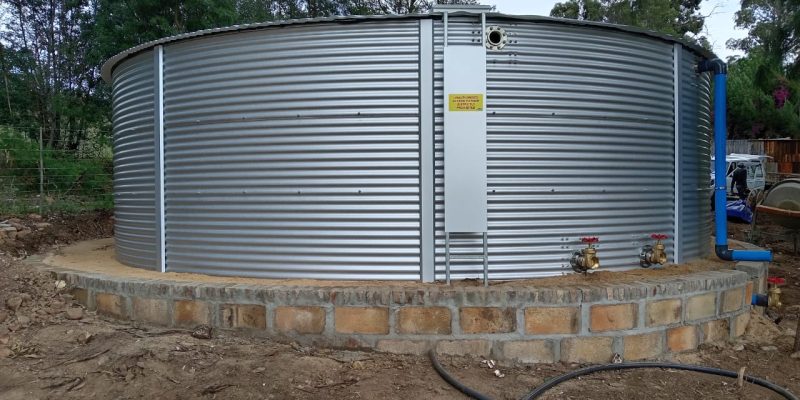
In 2026, the term “Water Shedding” has become as common in South African boardrooms as load shedding once was. For essential institutions like schools and clinics, a dry tap isn’t just an inconvenience—it’s a shutdown trigger.
When municipal infrastructure fails or “water shifting” begins, health and education cannot wait. Here is how institutional leaders are using modular water storage to mitigate water shedding risks and maintain service continuity.
Why Schools and Clinics are at the Frontline
Public and private institutions face unique challenges during a water crisis:
- Hygiene Compliance: Schools cannot legally remain open without running water for sanitation.
- Medical Sterility: Clinics require a constant supply for wound care, sterilization, and basic patient hydration.
- High Occupancy: High-density environments deplete small backup reserves in hours, not days.
3 Strategies for Effective Water Shedding Mitigation
1. The “Buffer Tank” System (Municipal Backup)
The most effective defense against intermittent supply is a buffer storage system. Instead of the building drawing directly from the municipal line, the water feeds into a high-capacity steel tank.
- How it works: The tank stays full during periods of normal pressure. When the municipality cuts supply, the school or clinic draws from the stored reserve via a pressure pump.
- Pro Tip: For institutions, we recommend a 3-day reserve capacity to outlast the average municipal repair window.
2. Large-Scale Rainwater Harvesting
With South Africa’s unpredictable 2026 rainfall patterns, capturing every drop is no longer optional. Large-roofed buildings like school halls and clinic wards are ideal for rainwater harvesting.
- The Benefit: It reduces your monthly water bill and provides an emergency “off-grid” source that is independent of municipal failures.
3. Modular Steel Infrastructure
Traditional plastic tanks often lack the volume required for an entire school or hospital.
- Durability: Our Aluzinc-coated steel tanks are engineered for 20+ years of service, resisting the harsh SA sun that makes plastic brittle.
- Scalability: Because they are modular, they can be installed in tight spaces or expanded as the institution grows.
The Cost of Inaction vs. The Cost of Resilience
Closing a school for three days due to “Water Shedding” results in lost teaching time and financial strain on parents. For clinics, it results in redirected patients and compromised care.